
Quick answer: most oil-based fence stains need 24 to 48 hours to dry before rain. Water-based stains need 4 to 24 hours. In humid North Texas weather, give any stain a full 48 hours of dry forecast before you rely on it. Light dew after the first 24 hours rarely causes damage; a real downpour on same-day stain can streak it or wash it out. Prep matters just as much: here is how to clean a wood fence before staining.
You colored your fence and thought your work was done? Not so fast! The real challenge begins now—waiting for the stain to dry properly without messing it up. Factors like stain type, wood porosity, humidity, temperature, and more all affect how long it takes for the stain to set. Rushing the process or ignoring these elements can lead to uneven color, sticky surfaces, or even premature peeling. And if rain hits before the stain fully dries, it could wash away your time, effort, and materials. That’s why understanding these factors helps you plan ahead, ensuring a smooth, long-lasting finish while protecting your fence from unexpected weather.What Factors Affect Fence Stain Drying Time
Type Of Stain And Finish UsedDrying time depends on several factors
The type of stain you choose plays a significant role in the drying time. There are two main types of fence stains: oil-based and water-based.- Oil-based stains: These typically take longer to dry because they penetrate the wood more deeply and require evaporation of solvents. For example, a cedar fencing stain that’s oil-based can take anywhere from 6 to 24 hours to dry, depending on the temperature and humidity levels. Oil-based stains are known for providing a rich finish and long-lasting protection.
- Water-based stains: These are faster-drying and generally take 1 to 2 hours to dry to the touch. However, they might require more time to fully cure (up to 24 hours), meaning they still need some time before they are fully resistant to rain or moisture. Water-based stains are less prone to yellowing over time and are a good choice for faster projects.
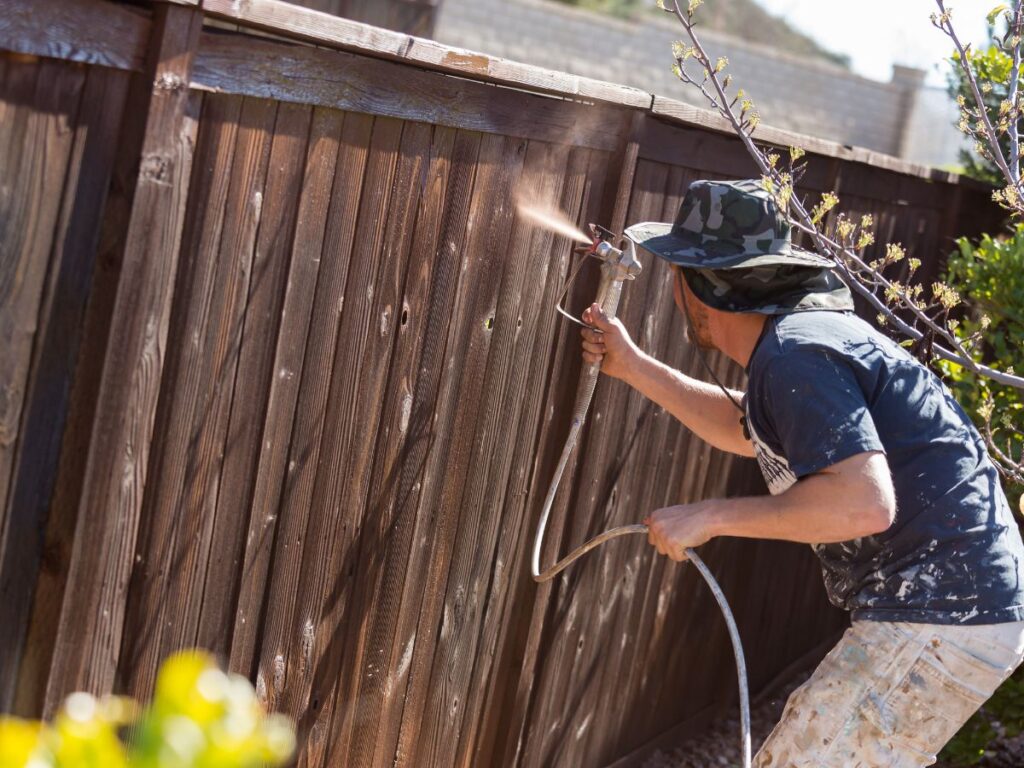
Wood Type And Condition
Different wood species absorb stains at different rates. Such as:- Softwoods: Woods like pine, spruce, and cedar stain fences absorb stains quickly. While they can dry faster, the stain tends to soak in unevenly, which might result in blotchy areas unless the wood is properly prepped.
- Hardwoods: Oak, mahogany, and maple are denser and less porous than softwoods, meaning they absorb stains more slowly. This can increase drying time, but it often results in a smoother finish because the wood doesn’t soak up too much stain at once.
Temperature, Humidity, And Weather Conditions
- Temperature: The ideal temperature for staining wood is between 50°F (10°C) and 85°F (29°C). In cooler temperatures, drying takes longer due to slower evaporation. In extreme heat, the stain may dry too quickly, leading to uneven application or streaking.
- Humidity: High humidity slows the drying process because the air is saturated with moisture. Low to moderate humidity (below 50%) speeds up drying and allows the stain to cure properly.
- Weather conditions: Rain, fog, and heavy dew can extend drying time and ruin the finish. It’s best to avoid staining before a rainstorm to prevent moisture from affecting the stain.
Number And Thickness Of Coats Applied
The more coats of stain you apply, the longer the drying process will take. Each additional layer of stain increases the time needed for the previous coat to fully dry:- One coat: Generally dries quicker because it’s a thinner layer that the wood absorbs more efficiently.
- Multiple coats: If you're applying a second or third coat, you must wait for the first layer to dry completely before proceeding. Applying too many coats can trap moisture in the wood, slowing down the drying process and increasing the risk of rain damage.